
Last updated
How Often Does a Septic Tank Need Pumping?
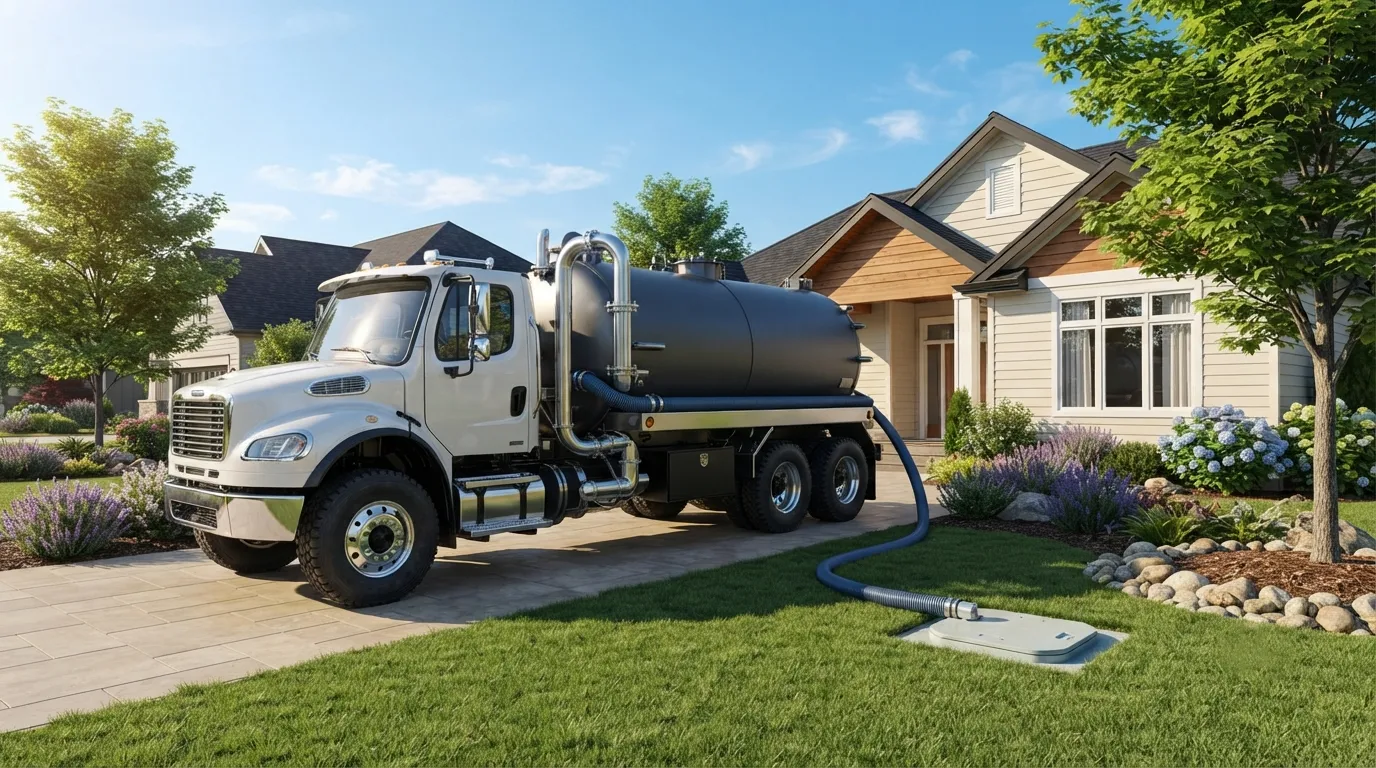
A typical 1,000 gallon residential tank gets pumped every 3 to 5 years, and that range moves with tank size and how many people live in the house. A bigger household pushes more solids through faster, which shortens the interval. Renters, landlords, and new homeowners in South Bend often ask us to check when the last pump happened before signing off on a purchase. If nobody has records, treat it as overdue and get septic tank cleaning scheduled. Skipping service doesn't save money long term. It just shifts the cost to a drain field repair, which runs far more than a routine pump-out. If you're weighing options, our page on septic tank pumping cost breaks down what drives the price up or down. Some properties near Notre Dame, about 3.0 miles northeast of South Bend, run on older tank systems that need closer attention. We also cover restaurants and food service accounts through grease trap pumping, since fats and solids build up on a different schedule than a household tank.
What Are the Warning Signs You Need Septic Pumping?
Slow drains, gurgling pipes, standing water near the tank lid, and a sewage smell in the yard are the classic signs. Any one of them means the tank is close to full or the drain field is struggling. Don't wait for a backup into the house. Call for septic tank pumping service as soon as drains start running slow, especially after heavy rain when the ground is already saturated. We've walked South Bend properties where the homeowner assumed it was a clogged pipe, and it turned out to be a tank that hadn't been touched in eight or nine years. For a longer rundown of things to watch for, see septic tank warning signs. If you're dealing with an active backup right now, don't wait on a scheduled appointment. Our emergency septic service line handles same-day calls, and we also run emergency porta potty rental if the bathroom is out of commission while we work.
What Does a Septic Pumping Service Include?
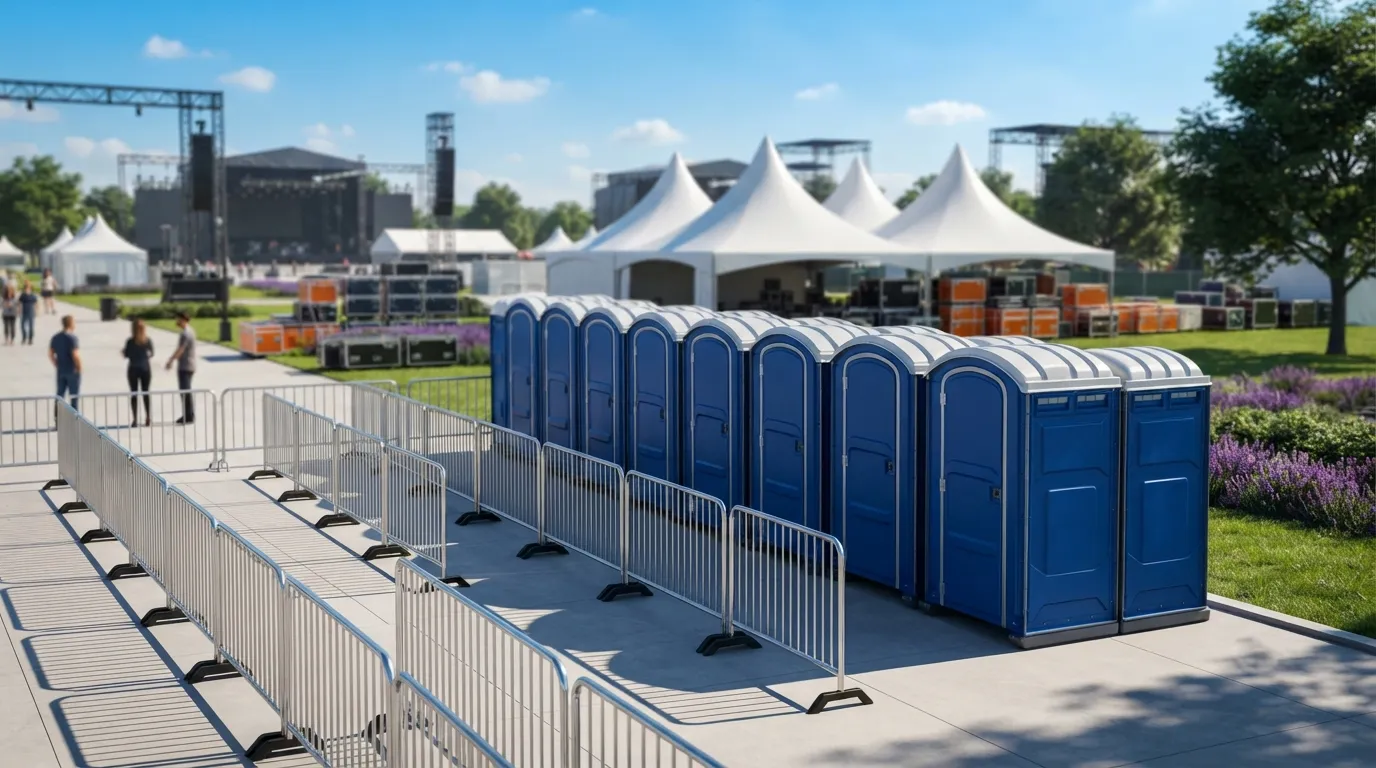
A standard visit means locating and uncovering the tank lid, pumping out solids and liquid, and a quick check of the baffles and tank walls for cracks or wear. We're not just emptying the tank. We're looking for early failure signs so you're not calling us back in six months for an emergency visit. Most jobs on a typical South Bend lot take under an hour once the lid is exposed, though older tanks buried deeper take longer to access. If your property runs on a holding tank instead of a conventional septic system, service works differently. Check out holding tank rental for how that setup gets serviced on its own schedule. Commercial kitchens need separate attention too, since fats, oils, and grease build up until they reach 25 percent of the liquid depth in a grease interceptor, which is the trigger point for pumping that unit. That's a different service than residential septic pumping, and it's covered under grease trap pumping rather than a standard tank visit.
How Much Does Septic Tank Pumping Cost?
| Service | Duration | Price Range |
|---|---|---|
| Septic pumping | Day rate | $150 to $300 |
| Septic pumping | Weekend rate | $50 to $150 |
A standard 1,000 gallon septic tank pumping cost falls in the day-rate range above for most South Bend homes, though larger tanks or hard-to-access lids can push toward the top of that band. Weekend scheduling carries its own rate, separate from the weekday day rate. If you're comparing this against other site services for a construction project or event, our construction site services page and septic tank pumping cost guide both break down where septic fits alongside rentals like a roll-off dumpster rental or a temporary fence rental. Property managers running multiple units in South Bend sometimes bundle septic service with portable restroom rental during a renovation, since both trades often show up on the same job. Ask about combined scheduling when you call, since routing two trucks to one address on the same day usually costs less than two separate visits.
Do You Offer Holding Tank Service?
Yes, and it's a different animal from a conventional septic system. A holding tank has no drain field. It collects everything until it's pumped, so the service interval depends entirely on tank size and usage, not soil conditions. We service holding tanks for construction trailers, remote properties, and events where a standard system isn't practical. See holding tank rental for setup details. This pairs well with a restroom trailer rental on a job site, or a 2 stall restroom trailer for a smaller crew. Larger crews sometimes need an 8 stall restroom trailer instead, and both options need holding tank pumping on a set rotation, not a wait-and-see approach. If you're running portable toilets on the same site, standard sanitation crews should still have access under OSHA 1926.51(c)(1), which sets toilet counts by crew size. That's separate from septic pumping but often gets planned together on active job sites around South Bend.

Is Emergency Septic Pumping Available?
Yes. A backup doesn't wait for business hours, and neither do we. If you're seeing sewage surface in the yard or backing up into a drain, call emergency septic service right away rather than waiting for a scheduled slot. We cover South Bend and surrounding towns including Mishawaka, 5.9 miles east, and Elkhart, 16.6 miles east. Farther out, we also reach La Porte, 25.6 miles west, and Goshen, 29.1 miles east, though response time depends on distance and current call volume. For a full list of towns we cover, see service areas. If your emergency involves a full property shutdown, ask about pairing septic response with a handwashing station rental or portable sink rental so staff or family aren't without water while we work.
How much does septic tank pumping cost?
A standard pump-out runs $150 to $300 for a day-rate visit, with weekend service priced separately at $50 to $150. Exact cost depends on tank size, access, and how long since the last pumping. Larger or deeply buried tanks land toward the higher end.
How often should a septic tank be pumped?
Most 1,000 gallon residential tanks need pumping every 3 to 5 years. Household size and tank size both shift that number. A larger family or a smaller tank means shorter intervals, so check your last service date if you're unsure.
What are signs my septic tank needs pumping?
Slow drains, gurgling pipes, a sewage smell outdoors, and standing water near the tank lid all point to a full or failing tank. Any of these means it's time to schedule service rather than wait for a full backup into the house.
Can I get emergency septic pumping in South Bend?
Yes. We run emergency septic service for active backups and won't make you wait for a routine appointment slot. Call as soon as you notice signs of failure, since backups tend to get worse fast, especially after heavy rain.
Does a holding tank need different service than a septic tank?
Yes. A holding tank has no drain field and collects everything until pumped, so service depends on usage rather than a fixed multi-year schedule. See holding tank rental for how these get set up and serviced.
How is grease trap pumping different from septic pumping?
Grease interceptors get pumped once fats, oils, grease and solids reach 25 percent of liquid depth, which is a usage trigger rather than a calendar interval. Residential septic tanks run on a 3 to 5 year cycle instead. See grease trap pumping for commercial accounts.
Next step
Get a delivery date
Tell us the address, the dates and the headcount. We size the order and confirm the route.